

6 Maintenance Tips for Whole House Generators
A reliable backup power source is essential for any home, especially during severe weather or unexpected power outages. Whole house generators ensure comfort, safety, and convenience when the grid fails—but only if they are properly maintained. Consistent upkeep helps avoid breakdowns, enhances performance, and extends the generator’s lifespan. This guide outlines six key maintenance practices to help keep your residential generator in top working condition, so it’s ready whenever you need it most.
1. Inspect Your Generator Regularly
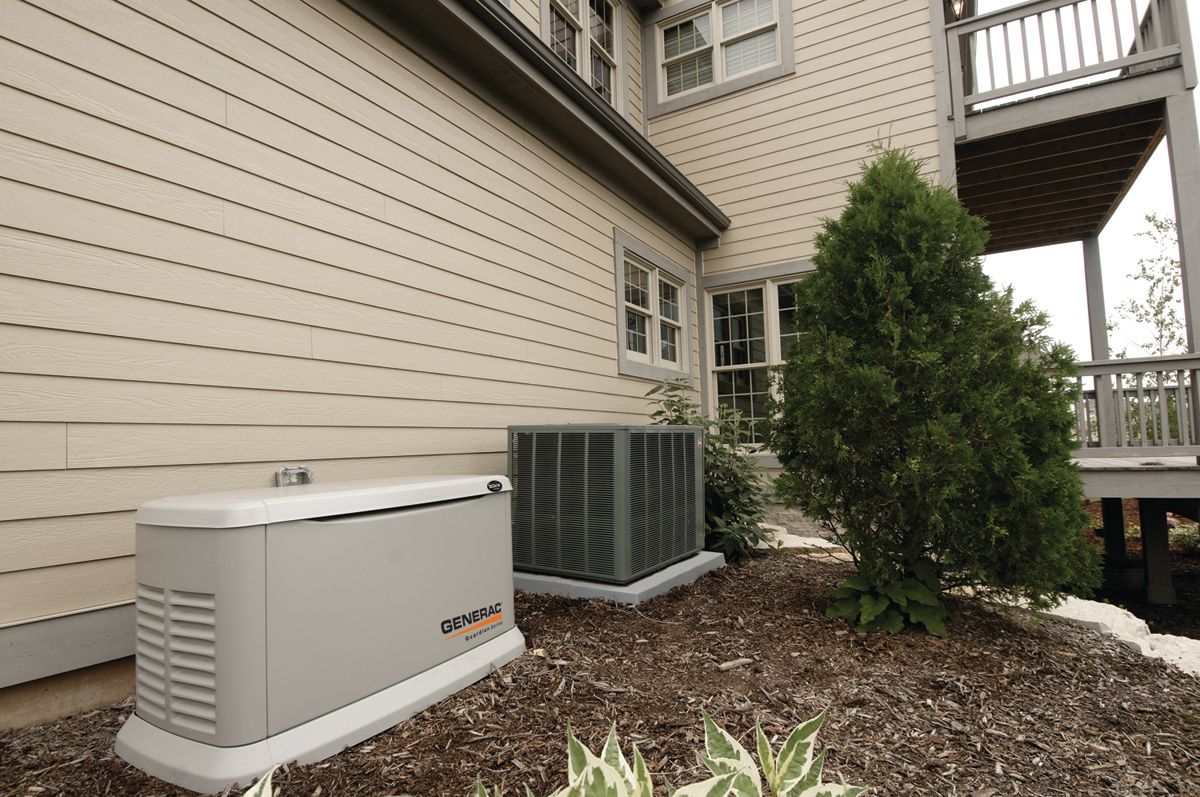
Routine inspections form the foundation of effective generator maintenance. Conducting monthly visual checks allows homeowners to identify potential problems before they escalate. During each inspection, look for signs of external damage, loose bolts, and general wear and tear. It’s also important to ensure that all components are secure and that the area surrounding the residential generator remains dry, well-ventilated, and clutter-free.
Moisture can accelerate corrosion, which weakens metal components and compromises performance. Rust and corrosion are particularly common in humid environments, so positioning the generator in a covered and dry space is crucial. Examine all metal surfaces, especially bolts and joints, for early signs of corrosion. Promptly addressing minor rust spots can prevent more serious structural damage down the road.
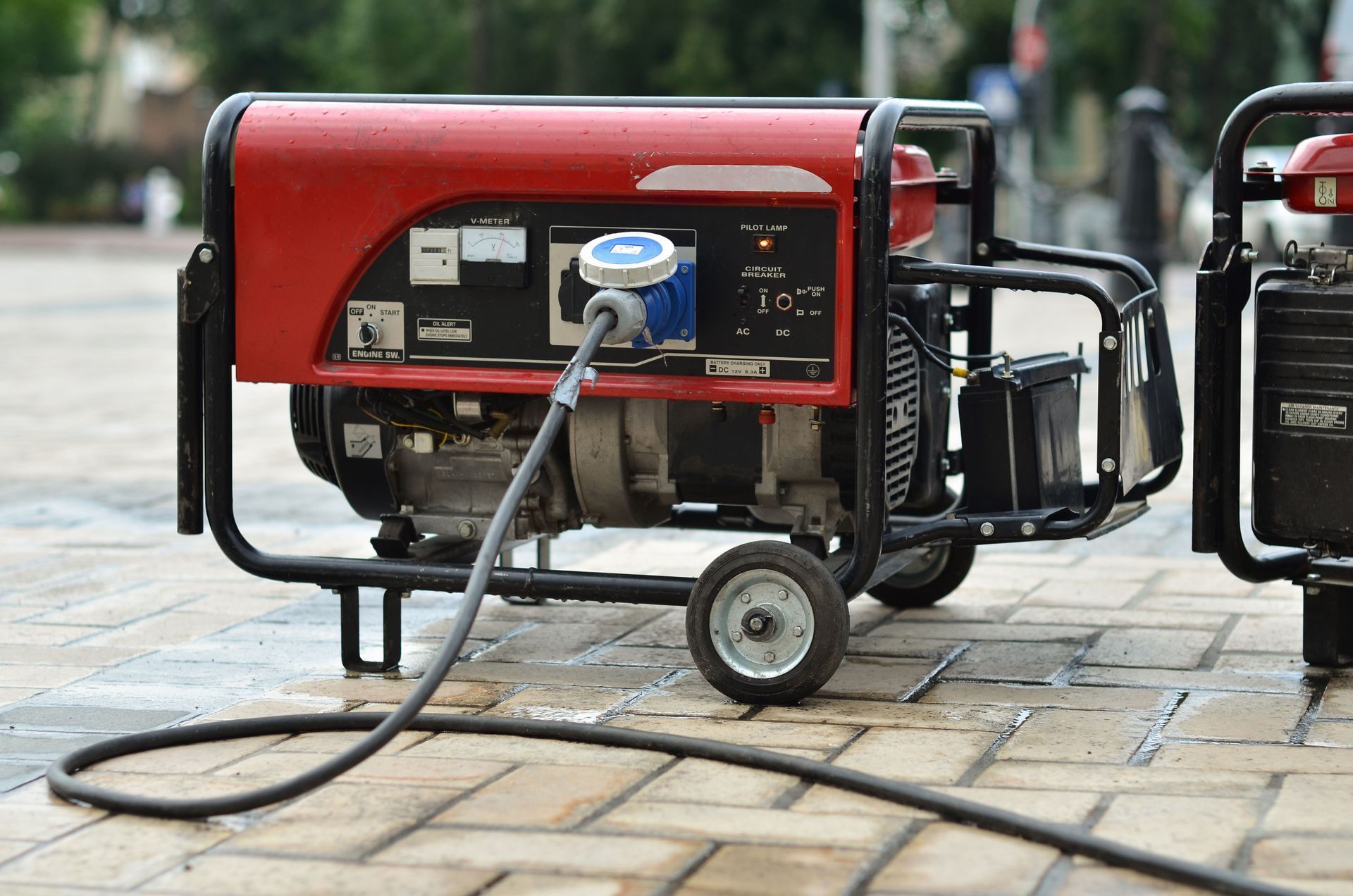
Electrical and fuel connections also deserve close attention. Loose wiring can cause operational issues or pose fire hazards, while leaks from oil or fuel lines can lead to performance failure. Tightening connections and addressing any leaks promptly keeps your residential generator safe and efficient. With consistent inspections, you can catch issues early and maintain dependable performance.
2. Maintain the Fuel System
A generator’s fuel system is central to its reliability. Ensuring an adequate supply of clean fuel allows your generator to run smoothly during emergencies. Stale or contaminated fuel can damage the engine and reduce overall efficiency, so it’s best to follow the manufacturer’s recommendations for fuel type and quality. Whether your residential generator uses diesel, gasoline, propane, or natural gas, understanding the specific maintenance requirements of its fuel system is key to long-term performance.
Replacing the fuel filter on schedule prevents debris and impurities from reaching the engine. Over time, a clogged filter can restrict fuel flow, reduce output, and cause the generator to run unevenly. Regular inspection and timely replacement of the fuel filter help maintain consistent power delivery.
Fuel line maintenance is equally vital. Check for cracks, leaks, or signs of wear each time you service your generator. Using a fuel stabilizer can also help preserve fuel quality, especially when the system sits unused for long periods. According to Allied Market Research, residential generators typically offer a power output range of one to ten kilowatts and can operate on various fuel types, including diesel, gasoline, biodiesel, propane, and natural gas. This versatility makes proper handling and maintenance of the fuel system even more critical.
3. Prioritize Battery Care and Maintenance
The battery is the heart of your generator’s starting system. Without a reliable charge, the generator won’t start when you need it most. Checking the battery voltage and charge level regularly ensures consistent readiness. Over time, batteries naturally degrade, so periodic testing helps identify when replacements are needed.
Keeping battery terminals clean is another essential maintenance step. Corrosion buildup can reduce electrical flow and prevent proper startup. To clean the terminals, disconnect the cables and scrub them with a baking soda and water solution, then dry thoroughly before reconnecting. Clean terminals improve current flow and extend battery life.
Storing batteries correctly also contributes to their longevity. Place them in a cool, dry, and ventilated area, and avoid exposure to extreme temperatures. Inspect cables for cracks or fraying and replace them immediately if damage is found. Regular battery care ensures your residential generator remains ready to provide immediate power, avoiding frustrating delays when outages occur.
4. Care for the Engine and Oil System
The engine is the powerhouse of your residential generator, and keeping it well-lubricated is critical. Regularly checking and changing the oil ensures smooth operation and prevents wear. Always use the type and grade of oil recommended by the manufacturer, and follow their suggested change intervals. Skipping oil changes can result in engine damage, poor performance, and costly repairs.
Replacing the oil filter at the same time as the oil is equally important. A clogged filter prevents the proper flow of clean oil, leading to overheating and increased friction within the engine. By maintaining a consistent oil change and filter replacement schedule, homeowners can significantly extend their generator’s lifespan.
Coolant levels should also be monitored closely. Generators generate substantial heat, so keeping the coolant at the correct level helps prevent overheating. Check the coolant reservoir during each maintenance session and top off as needed using the proper type of coolant. While testing the generator periodically, observe the belts and hoses for signs of wear—cracks, fraying, or soft spots—and replace them before they fail. Routine engine care ensures your generator delivers reliable performance when it’s most critical.
5. Keep the Air Filter and Intake Clean
A clean air filter is essential for the efficient operation of your residential generator. It ensures that only clean air enters the engine, promoting better combustion and reducing fuel consumption. Over time, dust and debris can clog the air filter, restricting airflow and causing the generator to work harder. Check and replace the air filter according to the manufacturer’s recommended schedule to maintain peak efficiency.
The air intake system should also remain unobstructed. Debris such as leaves, dirt, or grass can block ventilation openings, limiting airflow and straining the engine. Regularly inspect and clean the intake vents to prevent buildup. This is especially important after storms or periods of high winds when debris is more likely to accumulate around the generator housing.
Many modern residential generators include sensors or alerts that notify owners when it’s time to change the air filter. Paying attention to these signals helps ensure that maintenance is performed promptly. Keeping the air filter and intake system clean not only optimizes fuel efficiency but also contributes to the generator’s long-term reliability.
6. Test the Electrical System and Control Panel
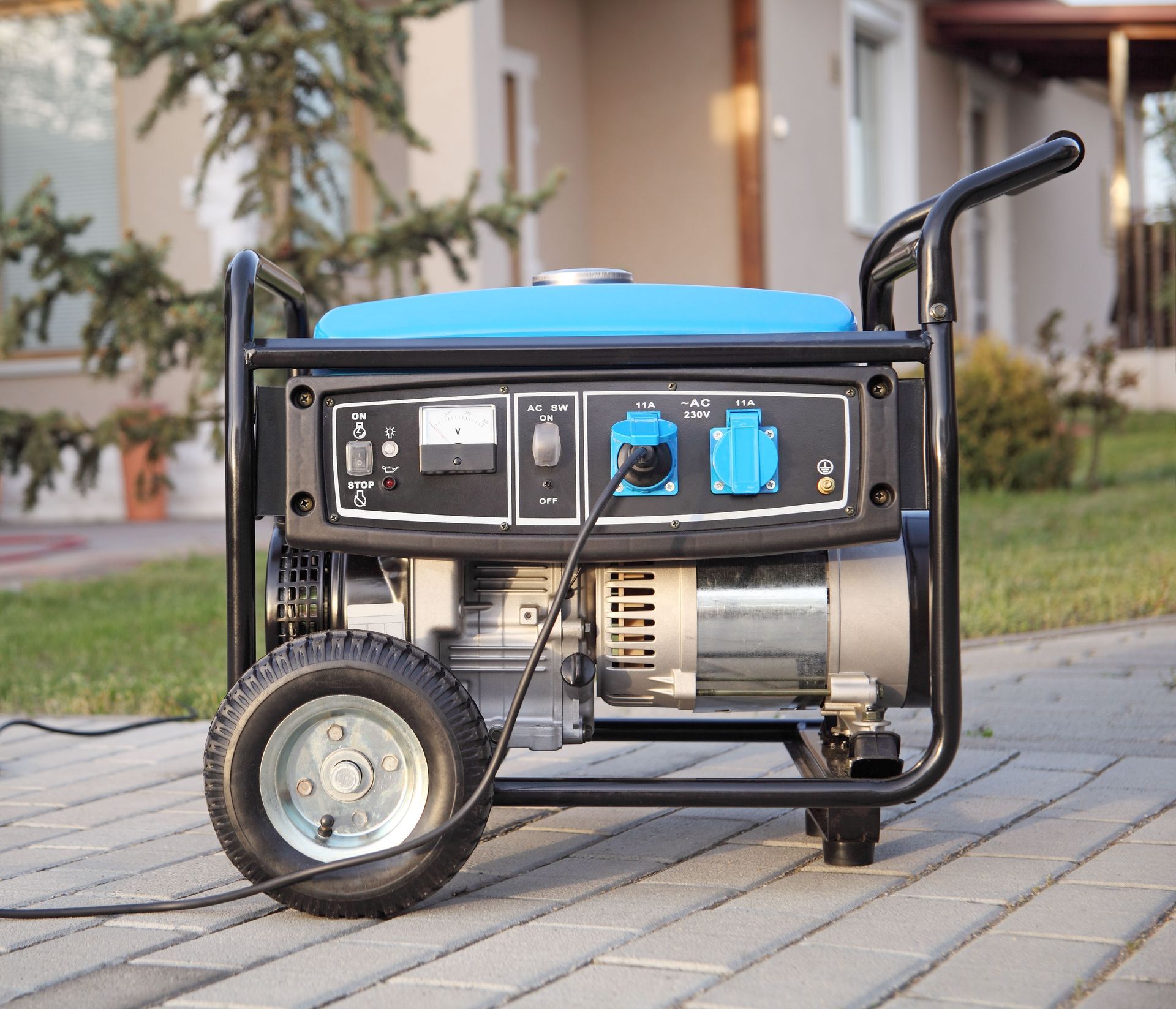
The electrical system and control panel serve as the central command for your residential generator. Regularly testing all controls, switches, and display features ensures the system operates correctly. If you notice malfunctioning buttons or inaccurate readings, schedule repairs immediately to prevent downtime during an outage.
Inspecting the transfer switch is another vital task. This component safely transitions your home’s power source from the grid to the generator when an outage occurs. Ensure that all wiring is intact, connections are tight, and the switch functions smoothly. Faulty wiring can pose safety risks, so verifying electrical integrity is essential.
Additionally, test the generator under load conditions by performing a load bank test. This process simulates real-world usage, allowing you to confirm that the generator can handle your household’s electrical demands. Alarm systems and alerts should also be checked for functionality, as they play an important role in early issue detection. Professional electrical inspections can further ensure that your residential generator remains in optimal working order, offering extra peace of mind.
Proper maintenance keeps your residential generator running reliably, ensuring uninterrupted power during unexpected outages. From inspecting and cleaning to monitoring fuel, batteries, and electrical systems, consistent care prevents costly repairs and prolongs your investment’s lifespan. Regular upkeep also enhances performance and safety, allowing you to enjoy continuous comfort and security in any situation. For expert maintenance, reliable installation, or emergency support, trust Tarheel Generator LLC to keep your home powered and protected year-round.

Share On: