

Stay Safe and Sound: Essential Generator Safety Tips Everyone Should Follow
Generators are invaluable tools during power outages, providing essential electricity to keep our homes and businesses running smoothly. However, improper use of generators can lead to serious safety hazards, including carbon monoxide poisoning, electrical shock, and fire. This article aims to provide comprehensive generator safety tips to ensure you, your family, and your property remain protected.
Understanding Generator Basics
Choosing the Right Type of Generator
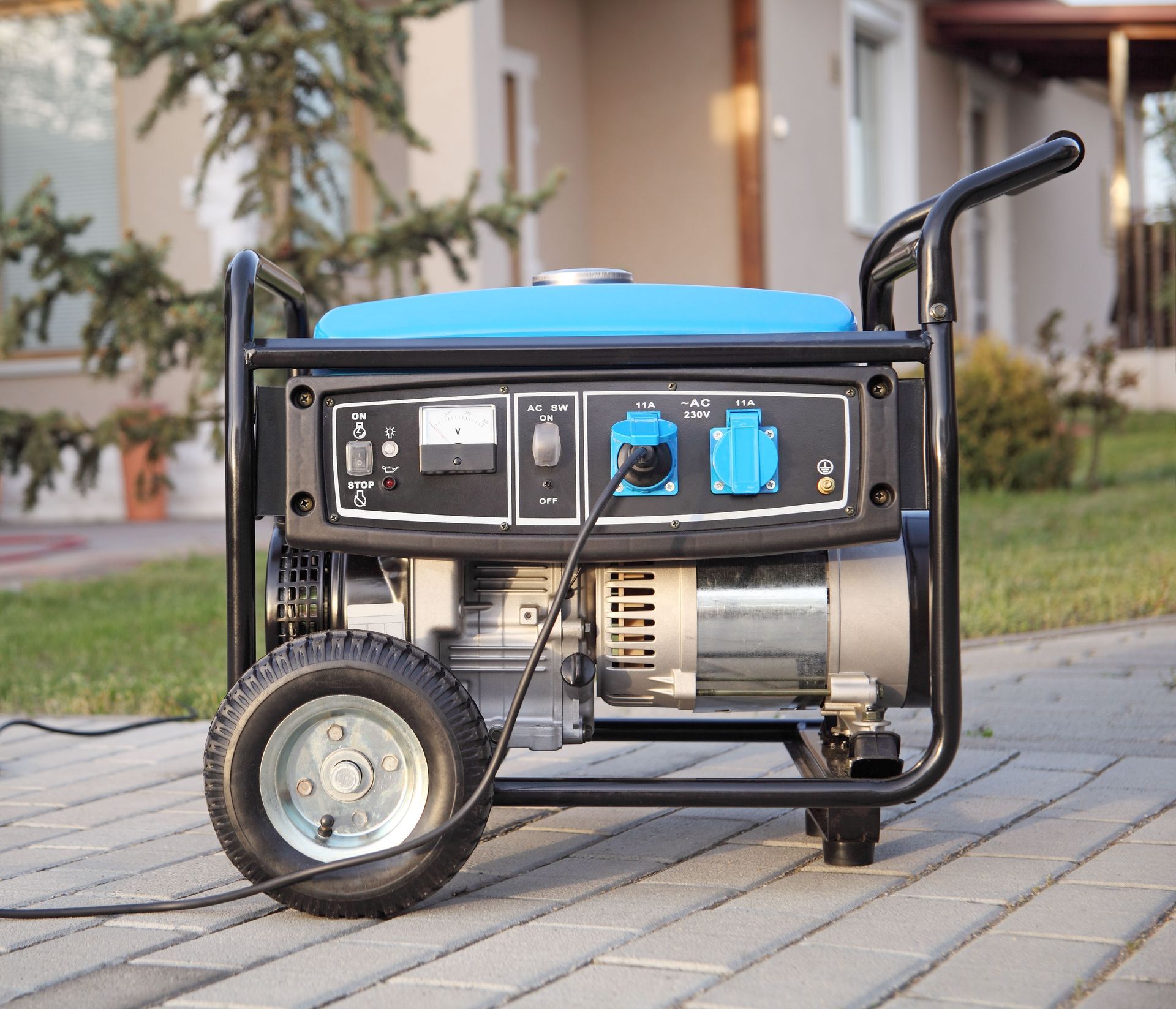
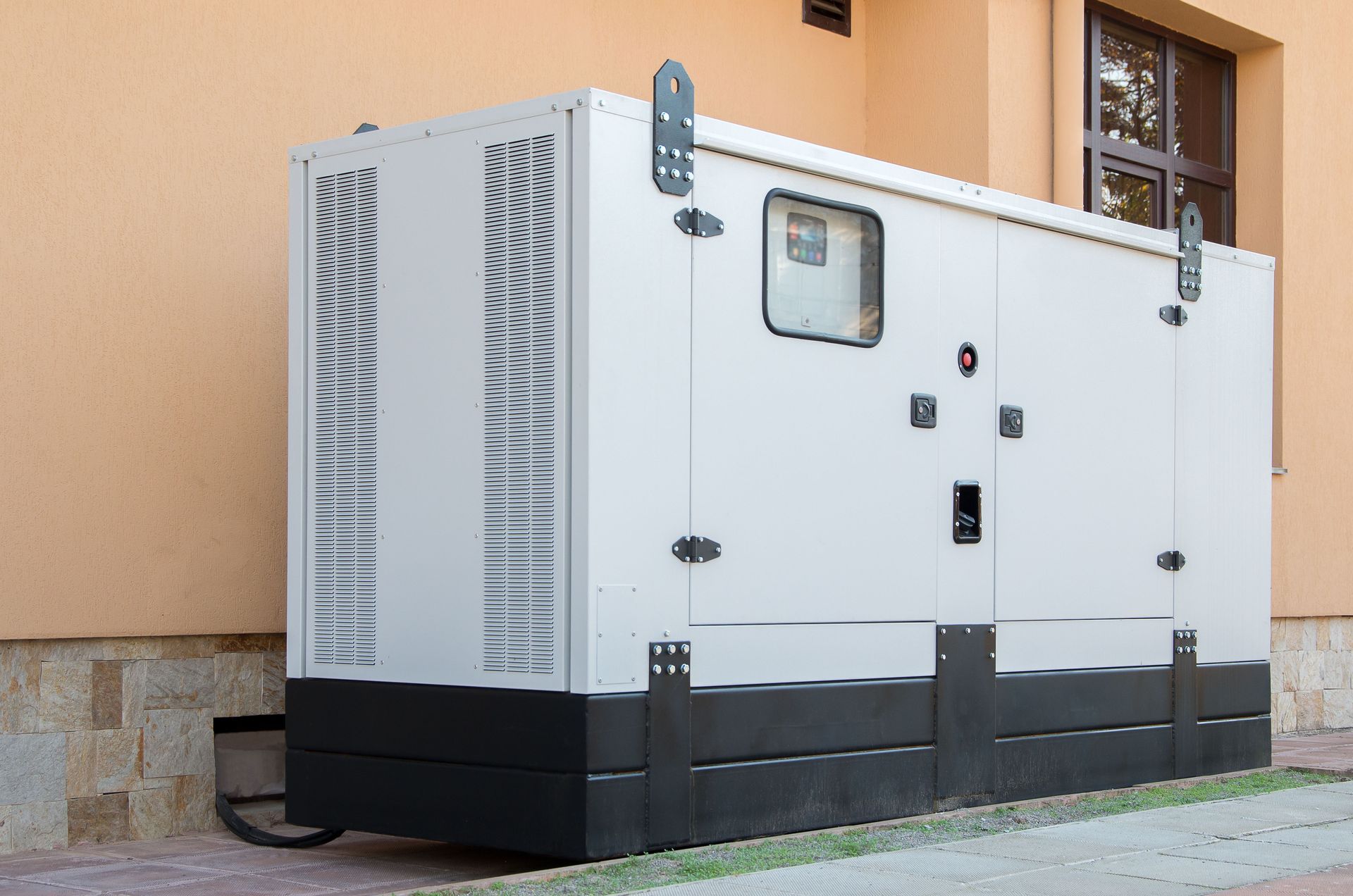
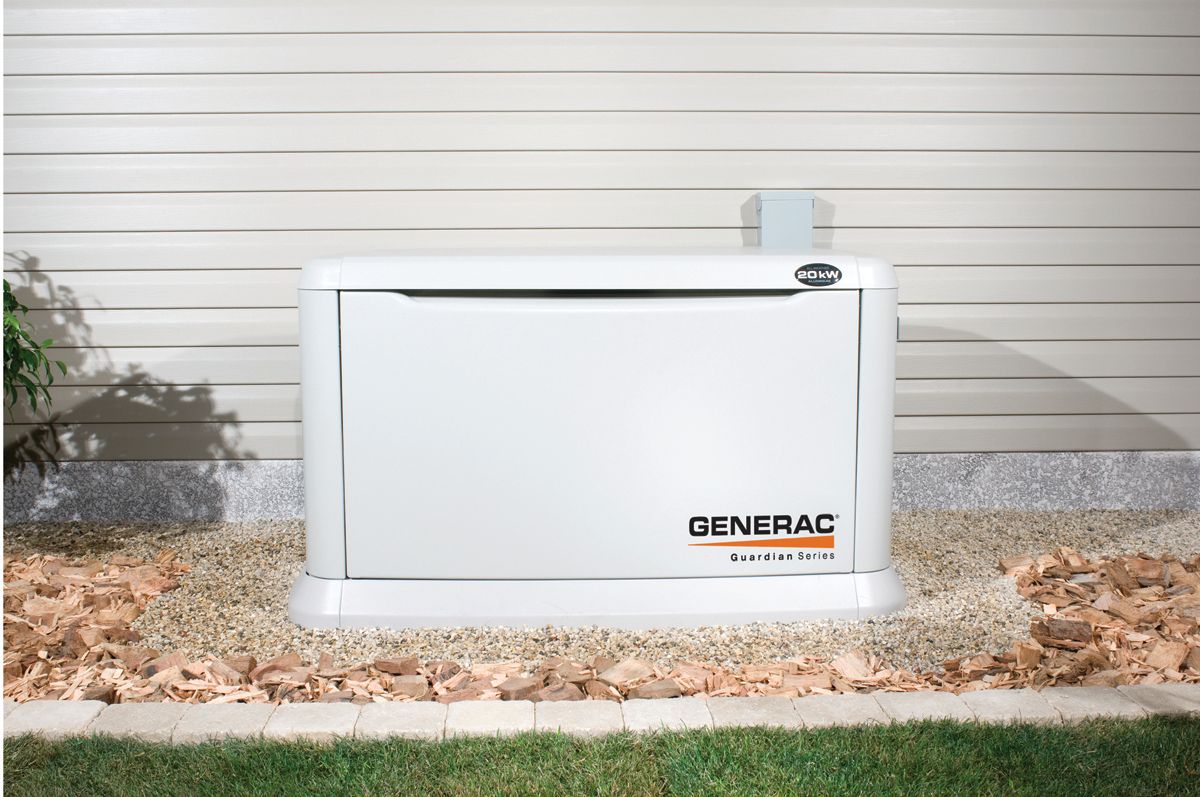
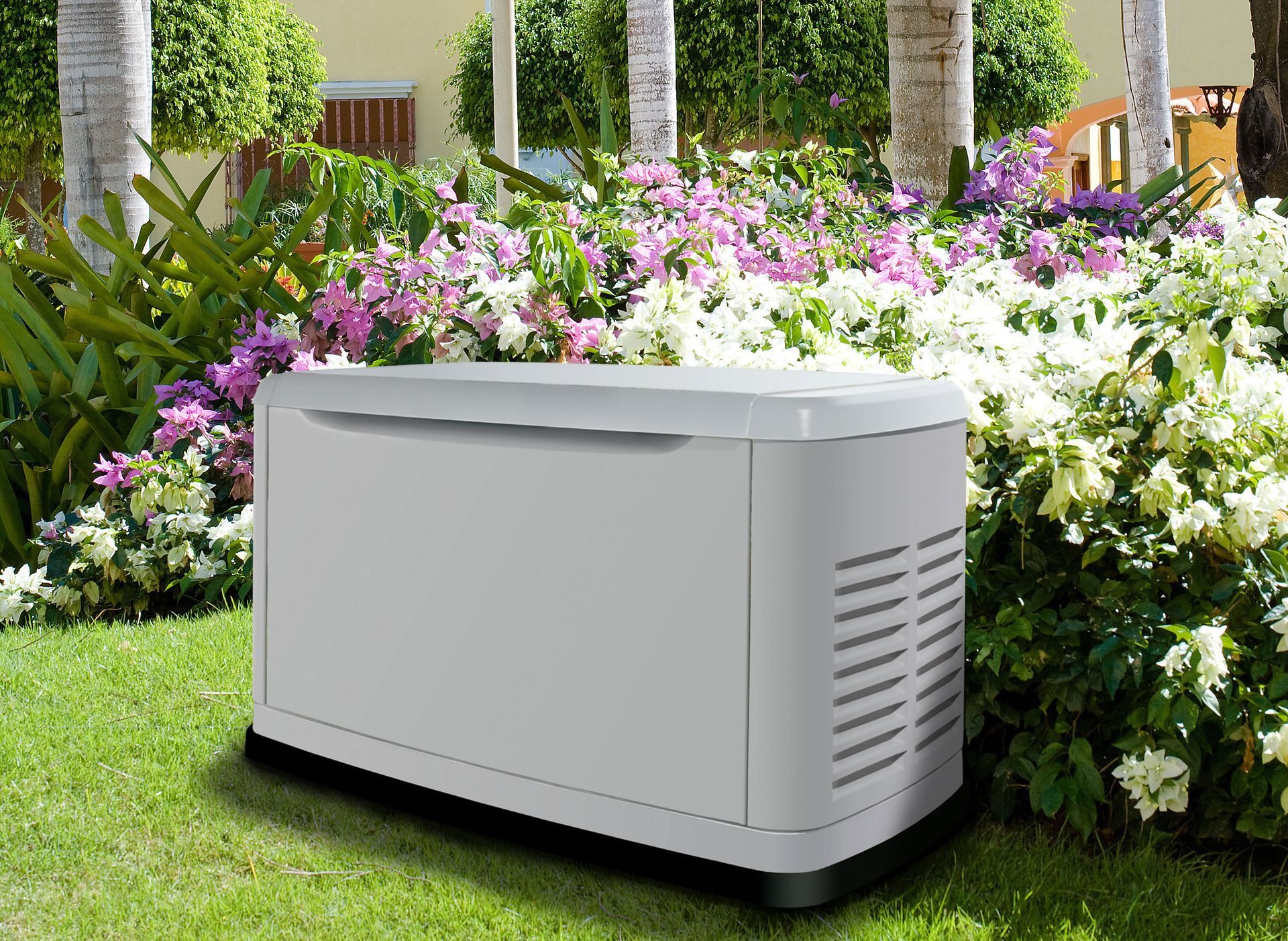
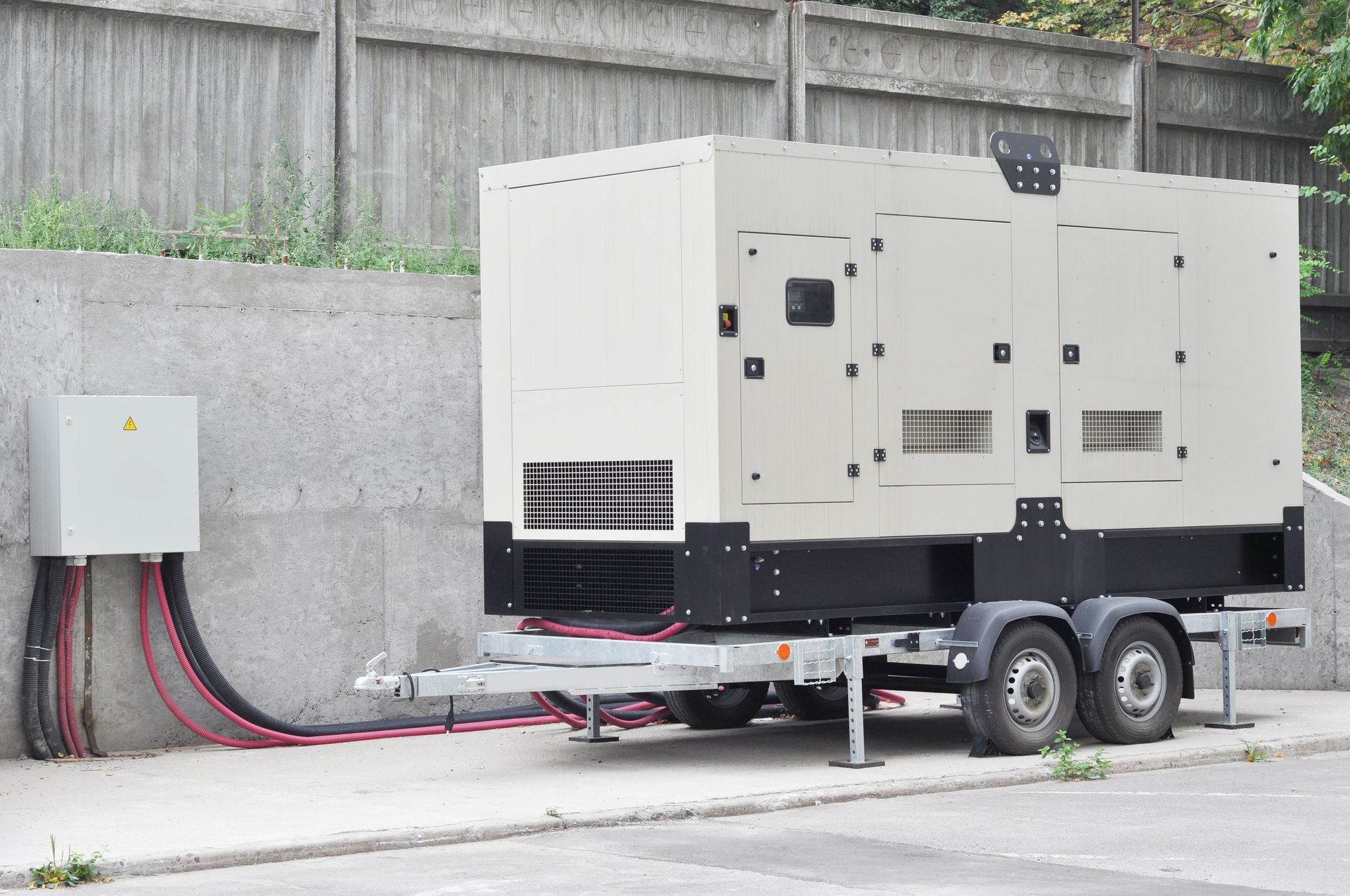
When choosing a generator, understanding your specific needs is crucial. There are mainly two types: portable and standby generators. Portable generators are versatile and can be moved as needed, suitable for smaller loads or temporary solutions. Standby generators are permanently installed and automatically activate during a power outage, ideal for whole-house or business continuity. Assess your energy requirements to decide which type is appropriate for your situation.
It's also important to consider fuel options. Portable generators typically use gasoline, while standby models may use propane or natural gas. Each has its pros and cons, such as gasoline being readily available but requiring more frequent refilling. Propane and natural gas are cleaner burn fuels but entail installation considerations. Weighing these factors will help you make an informed decision.
Financial investment is another factor in your selection process. Portable generators are generally less expensive upfront but may incur higher operational costs due to fuel consumption. Standby generators, on the other hand, have higher initial costs but offer convenience and reliability. Consider long-term savings against upfront costs to finalize your choice.
Key Components of a Generator
A generator consists of several key components that work together to produce electricity. The engine is the primary source of mechanical energy, powering the generator's overall output. The alternator converts mechanical energy from the engine into electrical energy that you can use. Control systems regulate voltage and other parameters to ensure smooth operation. Understanding these parts is essential for effective generator operation and maintenance.
A fuel system, typically consisting of a tank, fuel lines, and a carburetor, is vital for engine function. The fuel storage capacity will determine how long the generator can operate before needing a refill. Properly maintaining the fuel system can prevent issues like clogs or leaks, ensuring efficient operation. Regular checks and refueling with appropriate fuel types are advised to keep the system in optimal condition.
Safety features, such as circuit breakers and warning indicators, are critical in preventing accidents. Circuit breakers guard against electrical overloads, while warning indicators alert you to potential malfunctions. Familiarize yourself with these features to enhance operational safety. Regular inspection and testing boost their reliability in minimizing risks during generator use.
Understanding Wattage Requirements
Before purchasing a generator, it is crucial to understand your wattage needs. Wattage is a measure of electric power, and different devices require different amounts to function properly. Make a list of all essential appliances you plan to power during an outage, noting their starting and running wattage. This will help you determine the size of the generator you need. Always choose a generator that provides a bit more wattage than your total requirement to account for any surges in power demand.
Appliances with motors, like refrigerators and air conditioners, often require more power to start, which is known as the \"surge wattage\", compared to their \"running wattage\". Surge wattage can be two to three times the running wattage. Therefore, it is essential to calculate both these numbers when assessing your needs. Using a generator with insufficient wattage can damage the unit and your appliances.
When deciding on wattage, consider future needs as well. A growing family or business might require more power over time. A generator with a higher wattage capacity could provide the flexibility you need without another significant investment. This approach maximizes efficiency and cost-effectiveness in the long run.
Portable vs. Standby Generators
Portable and standby generators serve different purposes and come with their own advantages and disadvantages. Portable generators are known for their flexibility and ease of use. They are typically more affordable but require manual setup and connection in the event of a power outage. Standby generators, although more expensive, offer a seamless experience, automatically detecting outages and powering up instantly.
Installation considerations are vital for both types. Portable generators require a safe, accessible outdoor location for operation due to exhaust fumes. Standby generators, professionally installed, have specific placement, wiring, and fuel supply requirements that must be adhered to for safety. A professional assessment can help determine the best setup for your home or business.
Running costs vary significantly between these two options. Portable generators often incur higher costs due to frequent refuelings, especially in prolonged outages. Standby generators, while usually more fuel-efficient over time, come with higher installation and maintenance costs. Weighing these factors can guide you in selecting the right generator based on operational costs and power reliability needs.
Generator Installation Considerations
Proper generator installation is crucial for safe and efficient operation. Professional installation is recommended for permanent setups, such as standby generators. Installers ensure that units are connected correctly to existing electrical systems, minimizing risks like electrical shocks or backfeeding. This process also involves permits and adherence to local building codes for legal compliance.
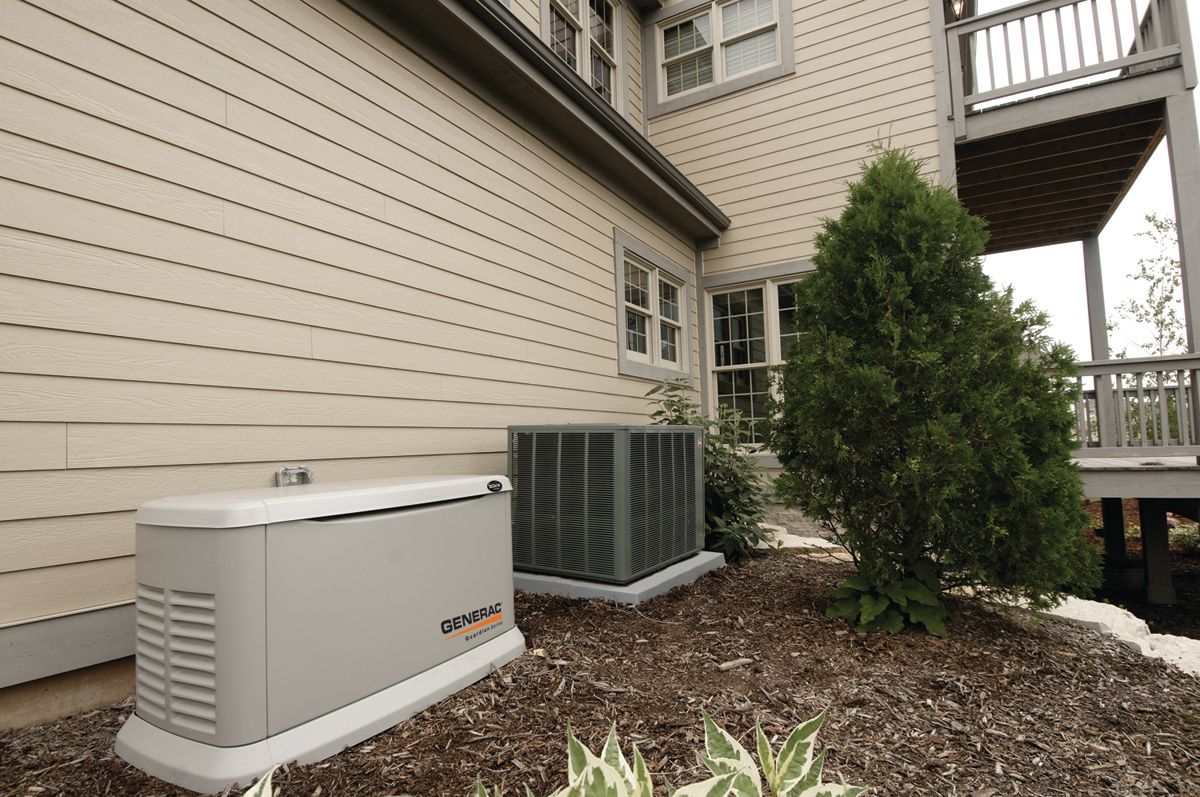
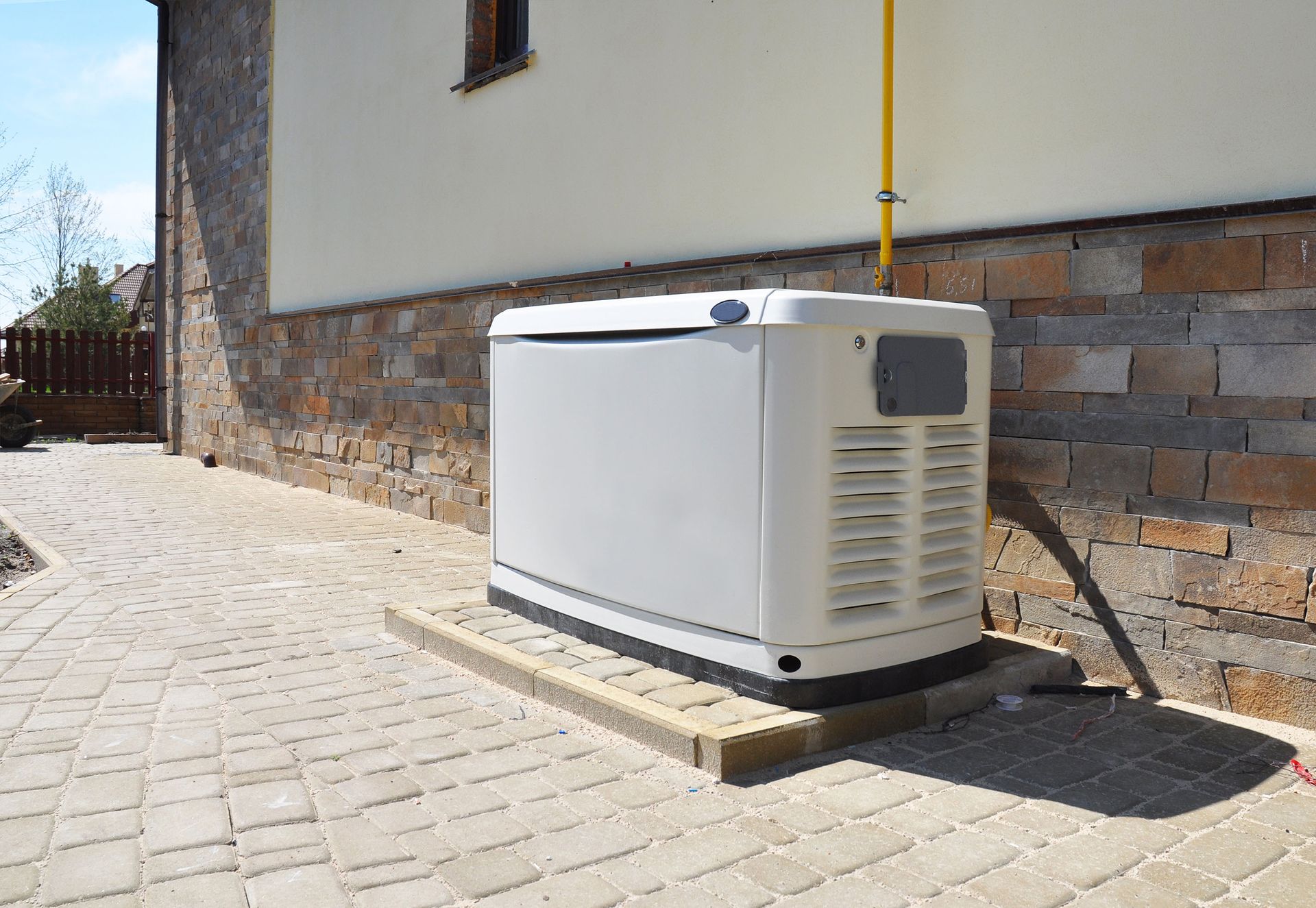
When setting up a generator, placement is key. According to Mass.gov, generators should be placed outdoors at least 10 feet away from doors, windows, and vents, facing away from the building to avoid exhaust fumes entering enclosed spaces. Adequate ventilation prevents carbon monoxide buildup, a critical safety concern. Generator shelters or canopies can help protect against harsh weather while maintaining proper airflow.
Accessibility and security are additional considerations during installation. Generators should be easily accessible for refueling, maintenance, and emergency shutdowns. At the same time, they should be safeguarded against theft with locks or enclosure pads. Proper planning ensures a balance between secure placement and convenient usage.
Location and Installation Safety
Proper Placement of the Generator
Positioning your generator correctly is vital for safety. Generators emit exhaust containing carbon monoxide, a deadly gas that must be ventilated properly. Place generators outdoors, at least 10 feet away from windows, doors, and vents, as recommended by experts, to minimize the risk of fumes entering enclosed spaces. Consider wind direction and current airflow to position the generator with exhaust facing away from the building. Proper placement ensures effective ventilation and minimizes health risks associated with carbon monoxide exposure.
Elevation and leveling are also crucial for placement. Set the generator on a stable, elevated surface, such as a concrete pad, to avoid water exposure during heavy rains. This reduces risks of structural damage and electrical hazards. Regularly clear the surrounding area of leaves, debris, and snow to ensure unobstructed operation. These precautions can prevent unexpected shutdowns or mechanical failures during critical moments.
The location should allow for easy access and routine maintenance. A generator that is too difficult to access can lead to neglected upkeep, leading to potential malfunctions. Clear paths for fuel delivery and routine inspections, and maintain adequate space for safe manual start and stop procedures. Proper planning and organization facilitate seamless generator operations at all times.
Ensuring Adequate Ventilation
Adequate ventilation is pivotal when operating a generator to avoid fatal carbon monoxide poisoning. Generators should be used in open spaces with sufficient air circulation to dissipate exhaust fumes quickly. Avoid operating under partially enclosed structures, as fumes can accumulate and pose serious health hazards. Windsocks or flags can help determine natural airflow patterns and guide optimal generator placement. Always prioritize natural ventilation to keep harmful emissions from reaching dangerous levels.
Generators should never be used indoors, including in garages or basements, due to insufficient ventilation. Carbon monoxide detectors should be used in homes or buildings near installed generators as an additional safety measure. They offer early warnings if dangerous gas levels are detected, allowing timely evacuation and corrective action. Regular testing of detectors will ensure their effectiveness during crucial times.
Maintenance practices, like checking air filters and exhaust systems, contribute to improved ventilation. A clogged air filter reduces generator efficiency, increasing emission levels. Cleaning and replacing air filters regularly helps maintain proper airflow. These simple yet essential maintenance measures enhance the generator's safety and performance.Be sure to reach out to Tarheel Generator LLC today for more information on our professional generator services!

Share On: